What the term usually means
Fresh dog food is a broad term rather than one fixed product category. It is often used for meals that are prepared, chilled or frozen and intended to be served in portions. Providers may use different recipes, storage methods and feeding-plan approaches, so the label alone does not tell you everything about a food.
What to compare
Start with information the provider makes available: ingredients, recipe format, storage instructions, feeding guidance and delivery coverage. Consider whether the food is intended as a complete diet or a complementary product, and check the current label information for the exact product you are considering.
Practical handling
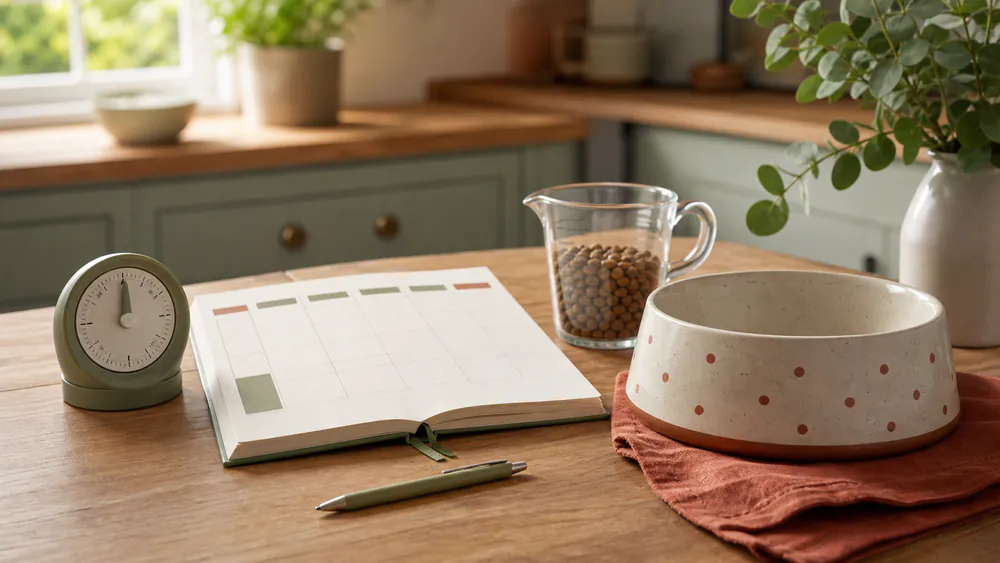
Fresh formats generally require more planning than shelf-stable food. Think about freezer and fridge space, defrosting, delivery timing, travel and what happens when another person is feeding your dog. These everyday details can matter as much as the meal format.
Transitioning gradually
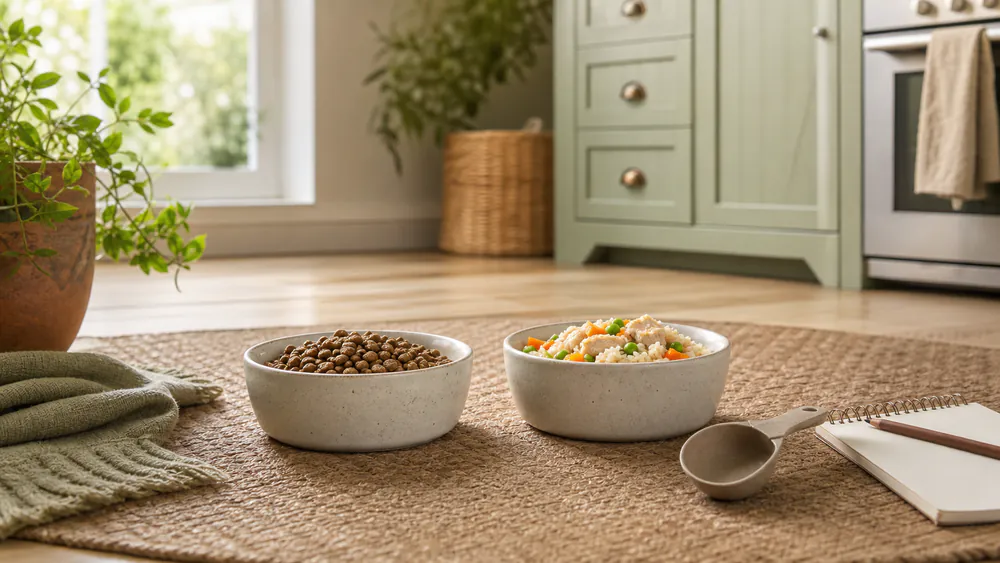
An abrupt switch can be difficult for some dogs. Providers often publish transition guidance, but individual needs vary. Introduce a new food thoughtfully and get appropriate professional advice if your dog has persistent digestive symptoms, a medical condition or a prescribed diet.
Complete food and complementary products
One useful distinction is whether a product is presented as a complete food or as something intended to be fed alongside another diet. The answer should come from the current label and provider information for the specific recipe, not from the word “fresh” on its own. A fresh meal, topper or treat can have different intended uses, even when the ingredients look broadly similar in a photograph.
When comparing options, note the exact recipe name and serving guidance rather than relying on a general category page. This makes it easier to revisit the same information later if recipes or product ranges change.
Storage changes the everyday routine
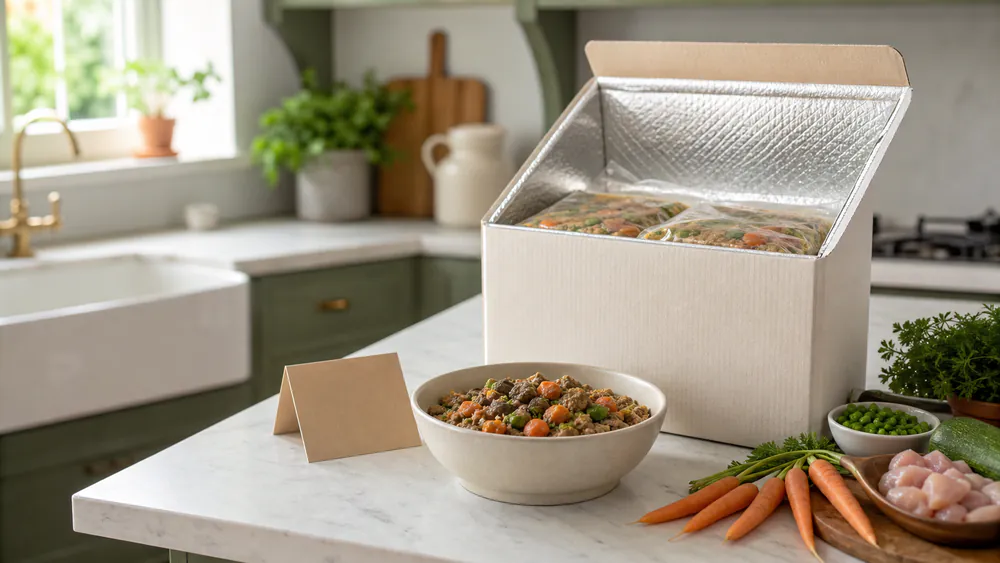
Fresh food can arrive chilled, frozen or prepared for a particular storage method. That means the food routine starts at delivery, not only when a bowl is served. A useful household check is whether there is enough space to store the delivery safely, whether someone can receive it and whether the instructions will still be clear when another carer is feeding the dog.
For many readers, these questions are more informative than broad claims about a format. A food that is easy to store, portion and serve consistently may be more practical than an option that needs more planning than the household can realistically provide.
Questions to compare between providers
Use the same short list of questions for each option:
| Practical question | Why it matters |
|---|---|
| How is the food delivered and stored? | It affects space, timing and handling at home. |
| What feeding guidance is published? | It shows how the provider frames portions and transitions. |
| How are recipe details presented? | It helps readers compare the exact option they may order. |
| Can the plan be changed or paused? | It matters when routines, travel or household needs change. |
| What information should be rechecked before ordering? | Recipes, coverage and pricing can change over time. |
A sensible way to use this guide
Fresh dog food can be a useful format to explore, but it is not a promise that one food will suit every dog. Treat this guide as a way to organise practical questions, then use current product information and individual professional advice where it is appropriate. That approach is more reliable than choosing based only on a format label or a single marketing claim.
Key takeaways
- “Fresh” describes a format, not a guarantee of suitability.
- Storage, portions and delivery are central considerations.
- Check the latest product information rather than relying on a general description.
FAQ
Common questions
Is this guide personalised feeding advice?
No. It is general information to help you consider questions and options. A qualified professional can advise on individual needs.
Should I check current product details?
Yes. Ingredients, recipes, delivery areas and provider terms can change, so check the provider’s latest information before deciding.