Overview
Butternut Box is a UK fresh dog food subscription service. It is one option within a wider range of fresh, wet, dry and mixed-feeding approaches. Rather than treating it as a universal answer, it is more useful to look at how the service works and whether its format fits your dog, routine and budget.
This guide organises practical points to check before ordering. Plans, recipes, delivery coverage and pricing can change, so confirm current information directly with the provider.
What Butternut Box offers
The service publishes information about fresh meals made for dogs and delivered through a subscription model. Customers generally provide details about their dog so that the provider can suggest a feeding plan. Recipe options, meal formats and account choices should always be reviewed on the official website, especially where a dog has individual dietary needs.
How the subscription model works
A subscription model can be convenient for households that prefer planned deliveries over buying food ad hoc. Before starting, check the delivery interval, the flexibility to pause or amend an order, and how much notice the provider needs for changes. It is also worth understanding what happens if a delivery is delayed or you will be away from home.
Meal, delivery and storage considerations
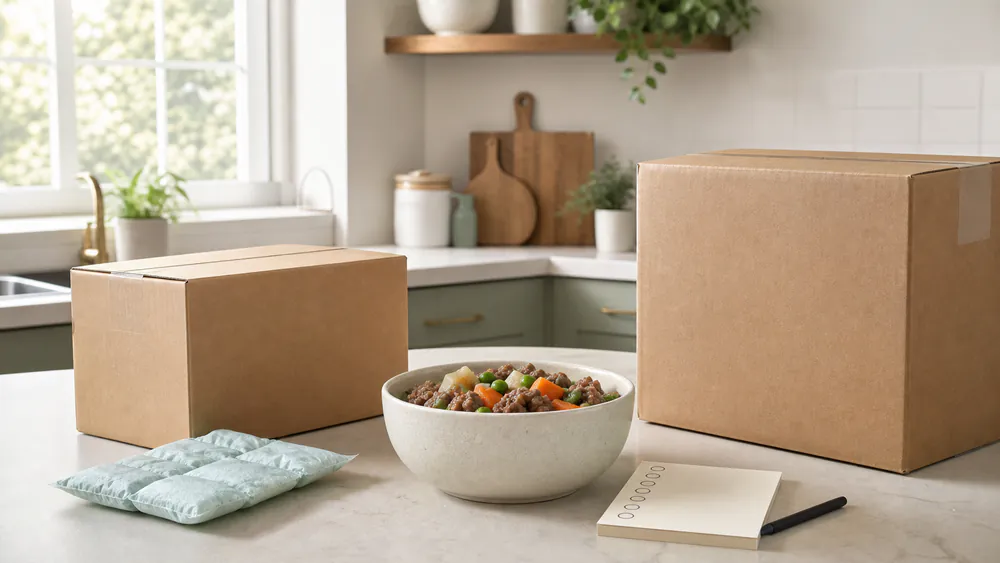
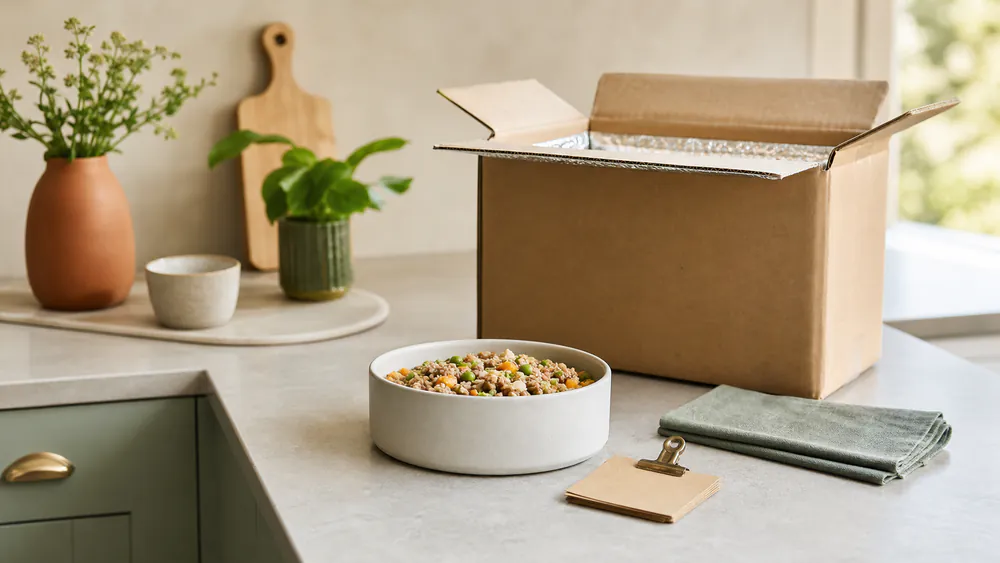
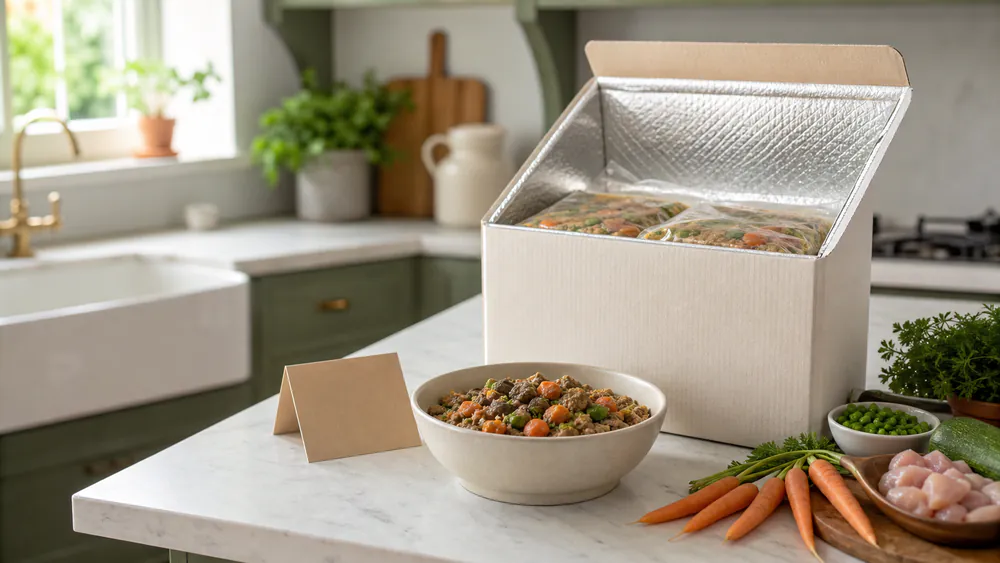
Fresh food needs practical handling. Check the provider’s current guidance on refrigeration, freezing, defrosting and use-by dates, then decide whether you have enough freezer and fridge space for the order size. Consider the delivery day too: someone needs to be able to bring the parcel inside and follow the storage guidance promptly.
Portioning and feeding
Suggested portions are a starting point, not personalised clinical advice. A dog’s appropriate routine can be affected by age, size, body condition, activity, health and other food or treats. If you are changing food format, introduce the new food gradually and seek individual advice where there are concerns about appetite, digestion or a medical condition.
Potential advantages
- A subscription can simplify meal planning and repeat ordering.
- Pre-portioned meals may be convenient for some households.
- Fresh-food delivery may appeal to readers comparing alternatives to a kibble-only routine.
Potential limitations
- Fresh meals need storage space and careful handling.
- Subscription timing may not suit every household.
- A plan that works for one dog may not be suitable for another.
- Current costs and service availability should be checked before committing.
Who may find it suitable
It may suit households that value a planned fresh-food routine and can manage delivery and storage requirements. It may be less convenient where freezer capacity, delivery access or a predictable routine is limited. Dogs with health concerns, specialist diets or ongoing feeding difficulties may need individual professional guidance before any change.
Questions to ask before ordering
- How will the food be stored from delivery through to feeding?
- How flexible is the subscription around travel and schedule changes?
- What is the current transition guidance?
- What information does the provider publish about recipes and feeding plans?
- Does the format fit your household’s budget and routine over time?
A realistic planning checklist
Before choosing any subscription, write down the practical details that tend to be forgotten after a first order. This can include the freezer space available, the days someone is normally home to receive a delivery, the number of meals fed each day and whether other food or treats are part of the routine. A service can look convenient on paper but still be awkward if deliveries regularly arrive when nobody is available or if portions take up more storage space than expected.
It is also worth checking how pauses, changes to a plan and travel are handled before relying on the service. The most useful information is the provider's current information for the actual postcode, plan and recipe selection under consideration. A general review cannot confirm whether every option is available to every household.
Comparing plans without chasing headline pricing
Subscription services can present introductory information differently, so compare the ongoing routine rather than one promotional message. Readers may want to look at the total number of meals, delivery frequency, storage requirements and how easily a plan can be adjusted. If a price is important to the decision, check it directly with the provider on the day of ordering rather than treating a review as a price list.
The same principle applies to recipes. Ingredient lists, feeding guidance and availability can change. Keep a record of the recipe being considered and use the label or provider information as the most current reference point. This is particularly important where a dog has an established diet, a prescribed plan or a known sensitivity.
Before changing food format
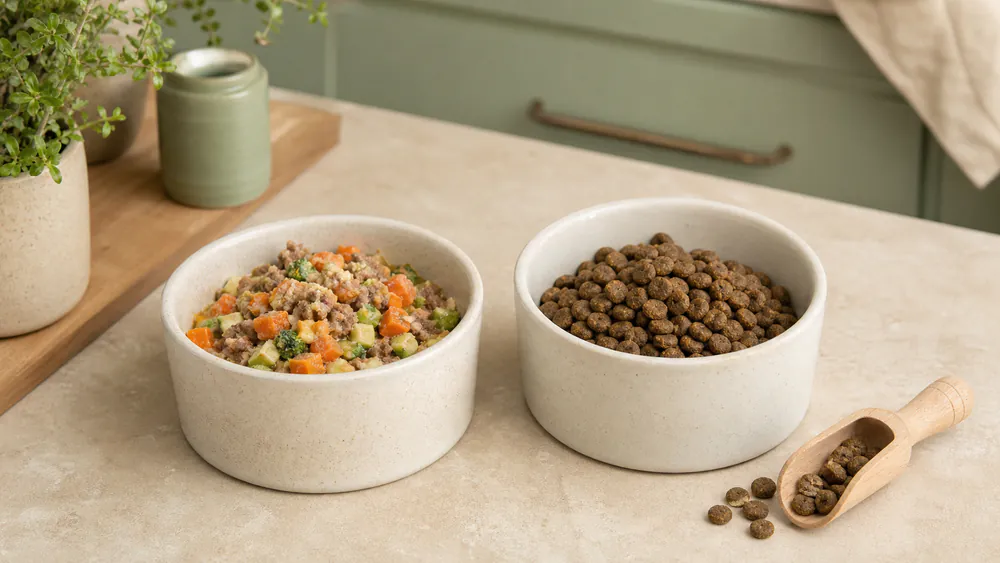
Fresh food is not automatically a replacement for every other format. Some households use it as a complete routine, while others are comparing it alongside wet food, kibble or mixed feeding. If a switch is made, keeping other changes to a minimum can make the routine easier to observe. Avoid introducing several unfamiliar treats or changing feeding times at the same moment, because it becomes harder to tell what has changed.
For individual health, growth, appetite or digestive concerns, a general article is not enough. An appropriate qualified professional can help with advice that takes the dog's own circumstances into account.
Frequently asked questions
Is this a recommendation to order Butternut Box?
No. This guide is a framework for understanding a fresh dog food subscription and for checking whether the practical format suits a household. It does not rank the service as a universal best choice.
Does a fresh-food subscription remove the need to monitor feeding?
No. Portion guidance and product information are starting points. Households still need to consider the dog's whole routine, including treats and other food, and seek individual advice where needed.
Where should I check the latest details?
Use the provider's official website for current recipes, plan options, delivery coverage, storage guidance and pricing. If you use an affiliate link, the commercial relationship is disclosed, but it does not replace checking the provider's own current terms.
Alternatives and final considerations
Fresh food is only one format. Readers can also compare wet food, dry food, mixed feeding and other subscription services. The most useful choice is usually one you can store, serve and review consistently while meeting your dog’s individual needs.
Product details, recipes, delivery coverage and pricing may change. Check the provider’s website for the latest information. This guide is general information and is not a substitute for personalised veterinary advice.
FAQ
Common questions
Is this guide personalised feeding advice?
No. It is general information to help you consider questions and options. A qualified professional can advise on individual needs.
Should I check current product details?
Yes. Ingredients, recipes, delivery areas and provider terms can change, so check the provider’s latest information before deciding.