Start with the week you actually have
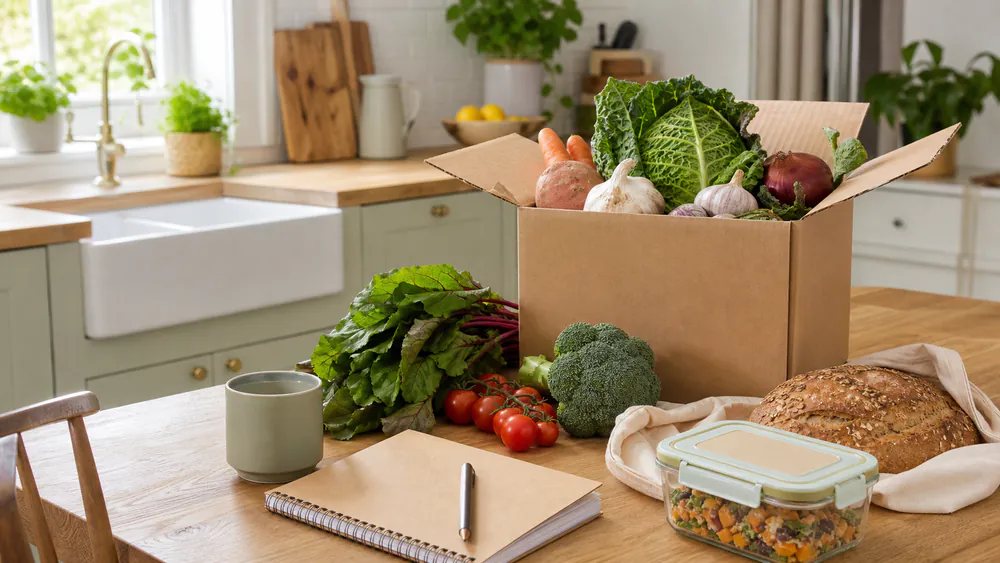
A useful food shop begins with a realistic look at the days ahead. Check which evenings are likely to be busy, when people will be at home and whether there are already meals or leftovers to use. Planning around the week that exists is more helpful than creating an ideal menu that depends on time or energy the household will not have.
Choose a small number of meals that can be prepared confidently, then leave space for flexible options. A weekly shop does not need to decide every breakfast, lunch and dinner in advance. Its purpose is to make ordinary choices easier when the week becomes busy.
Build a flexible base
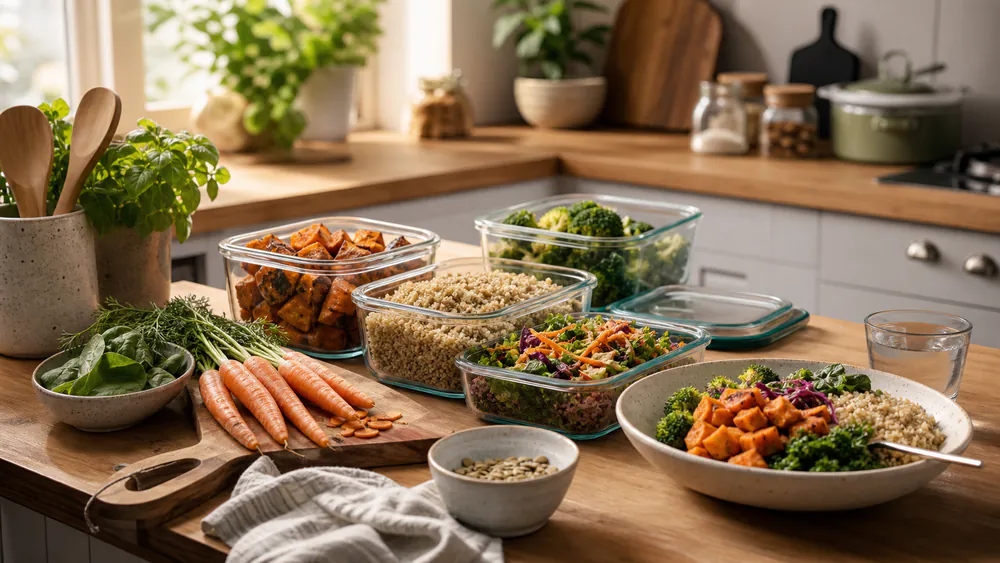
Many households find it useful to start with a few broad groups rather than a rigid list of products. Fresh and frozen produce, cupboard staples, foods that work for quick meals and a few ingredients that keep well can give the week some resilience. The exact choices will depend on taste, budget, culture, access and individual dietary needs.
Think about how ingredients can be used more than once. A vegetable bought for one evening may work in a soup, sandwich or side dish later in the week. A flexible base can reduce waste without turning every meal into a calculation.
Use a simple planning sequence
| Step | A useful question |
|---|---|
| Check what is already available | What needs using before it is replaced? |
| Choose a few dependable meals | Which meals suit the busiest evenings? |
| Add flexible extras | What will cover a changed plan or an easy lunch? |
| Check storage space | Will fresh and frozen food fit and be easy to find? |
| Review the list once | Does it match the household's time, budget and preferences? |
This sequence does not create a perfect shopping basket. It simply gives the list a purpose and makes it easier to spot duplicate purchases or ingredients that are unlikely to be used.
Let convenience have a place
Convenience food is not a failure of planning. A realistic shop may include prepared ingredients, frozen options or a familiar meal for a demanding day. The important question is whether a choice helps the household eat in a way that is manageable and enjoyable, rather than whether every item fits an unrealistic standard.
It can also help to keep a short note of meals that worked. Over several weeks, this becomes a personal collection of dependable options. That is often more useful than starting from a blank meal plan every time.
Keep individual needs in view
This is general food-planning information, not personalised nutrition advice. Households managing allergies, a medical condition, a prescribed diet or another individual concern should use guidance from an appropriate qualified professional. Product labels and current provider information remain important when a particular ingredient or dietary requirement matters.
Key takeaways
- Plan for the actual week rather than an ideal one.
- Use a small number of dependable meals and flexible ingredients.
- Check existing food and storage space before shopping.
- Treat convenience as part of a practical routine when it helps.
FAQ
Common questions
How should I use this guide?
Use it as a practical starting point, then check current provider or product information before making a decision.
Are the recommendations paid for?
Commercial relationships do not determine our editorial conclusions. Where affiliate links are used, we label them clearly.