Compare the whole service
A subscription is more than the food itself. Review recipe information, delivery coverage, storage needs, account controls, cancellation terms and the likely ongoing cost before deciding.
Questions worth checking
| Area | Useful question |
|---|---|
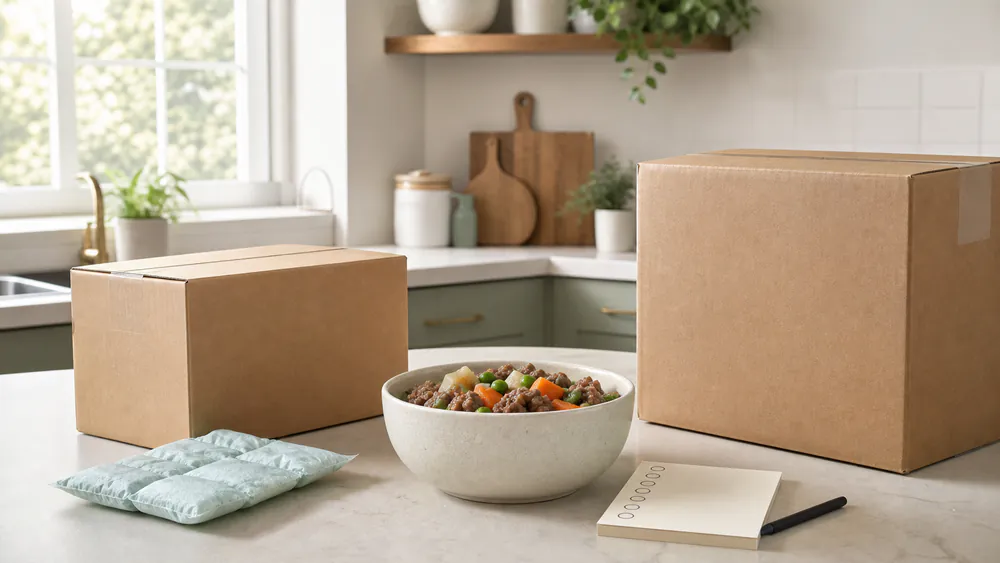
| Delivery | Can the schedule work around your household? |
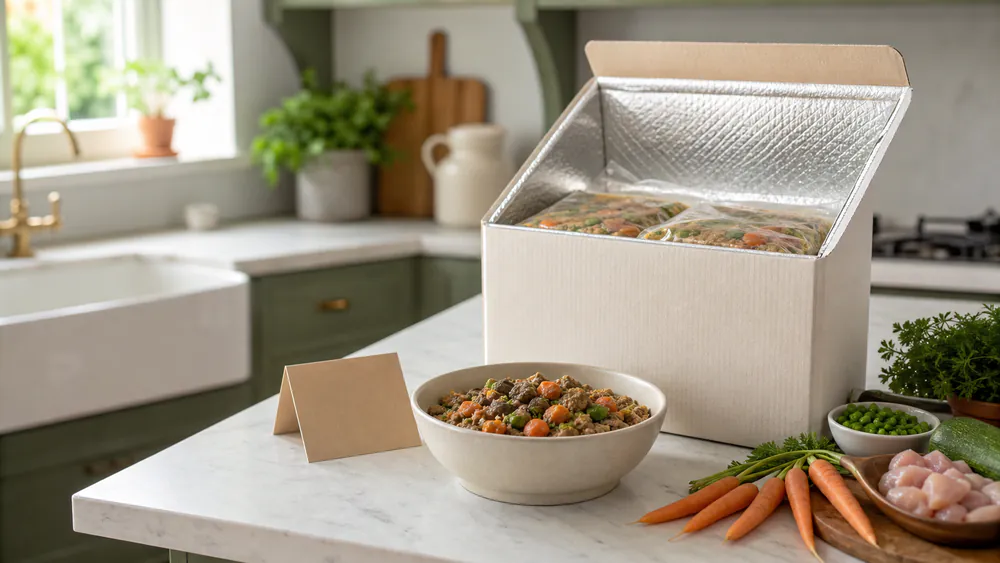
| Storage | Is there enough fridge or freezer space? |
| Flexibility | Can meals, timing or account details be changed clearly? |
| Food information | Does the provider publish the details you need? |
Avoid pressure-led decisions
Plans, discounts and availability can change. Read current terms directly, ignore urgency language and take time to decide whether the service fits your routine.
Build a realistic comparison
Put the services you are considering into the same checklist and compare current information for the same delivery period. Look beyond an introductory message: check the normal ordering rhythm, the food storage requirement, how a pause works and what support information is available before ordering.
It can also help to decide who will manage account changes. A subscription may be convenient only if the household can keep on top of deliveries, storage and any changes to portions or availability.
Compare the service before the headline offer
An introductory offer may make a service easier to try, but it cannot explain whether the ongoing routine will fit. Compare the information available after the first order: how a delivery can be changed, whether a pause has a notice period, how long food needs to be stored and what happens if nobody is available to receive a parcel. Check these points directly on the provider's current pages, because service terms can change.
It is useful to make the comparison on the same basis. For example, list the expected food quantity, delivery period, storage requirement and account controls for each option. This avoids comparing one service's introductory message with another service's normal arrangement.
Ask food questions separately from delivery questions
The food itself and the delivery system are related but different decisions. For each product, read the current recipe and feeding information, intended use, storage instructions and any transition guidance. Separately, check delivery coverage for the actual postcode, packaging expectations, pause options and support contact route.
Keeping these questions separate makes the choice clearer. A food format may be interesting but impractical for a home with limited storage; an efficient delivery schedule may not answer the questions a household has about the recipe. Neither is a reason to rush the decision.
Plan a first order carefully
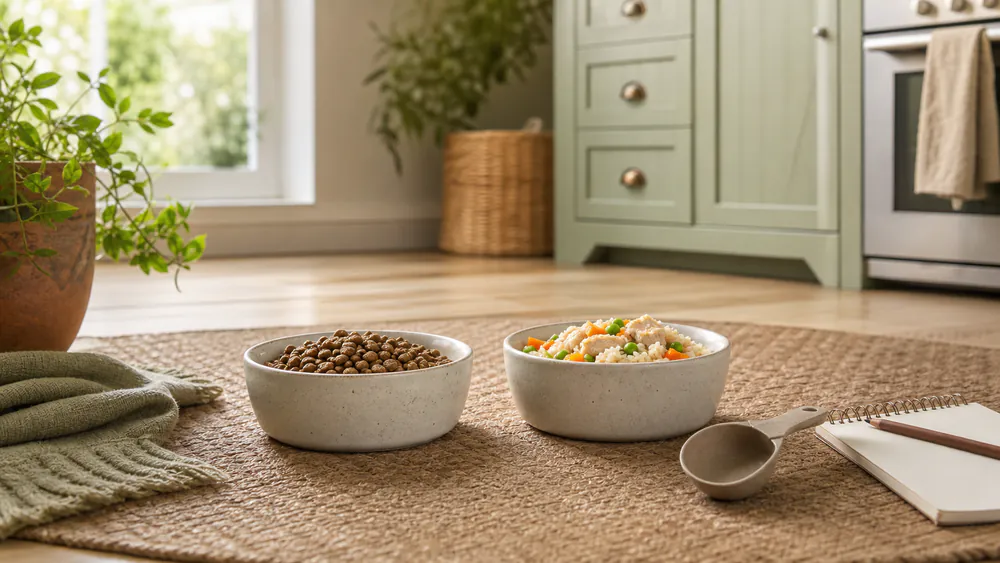
Before the first delivery, make room for the food, decide who will receive it and agree how meals and treats will be tracked. If a change of food is appropriate, use the provider's current transition information and do not introduce several new foods at the same time. If a dog has a condition, a prescribed diet or persistent symptoms, seek individual advice before changing the routine.
Keep individual needs central
Subscription convenience does not replace personalised feeding advice. If a dog has a condition, prescribed diet or persistent symptoms, speak to an appropriate qualified professional first.
FAQ
Common questions
Is this guide personalised feeding advice?
No. It is general information to help you consider questions and options. A qualified professional can advise on individual needs.
Should I check current product details?
Yes. Ingredients, recipes, delivery areas and provider terms can change, so check the provider’s latest information before deciding.